How much will I get from my pension?

It’s one of the most natural questions to ask: how much will my pension actually give me when I retire?
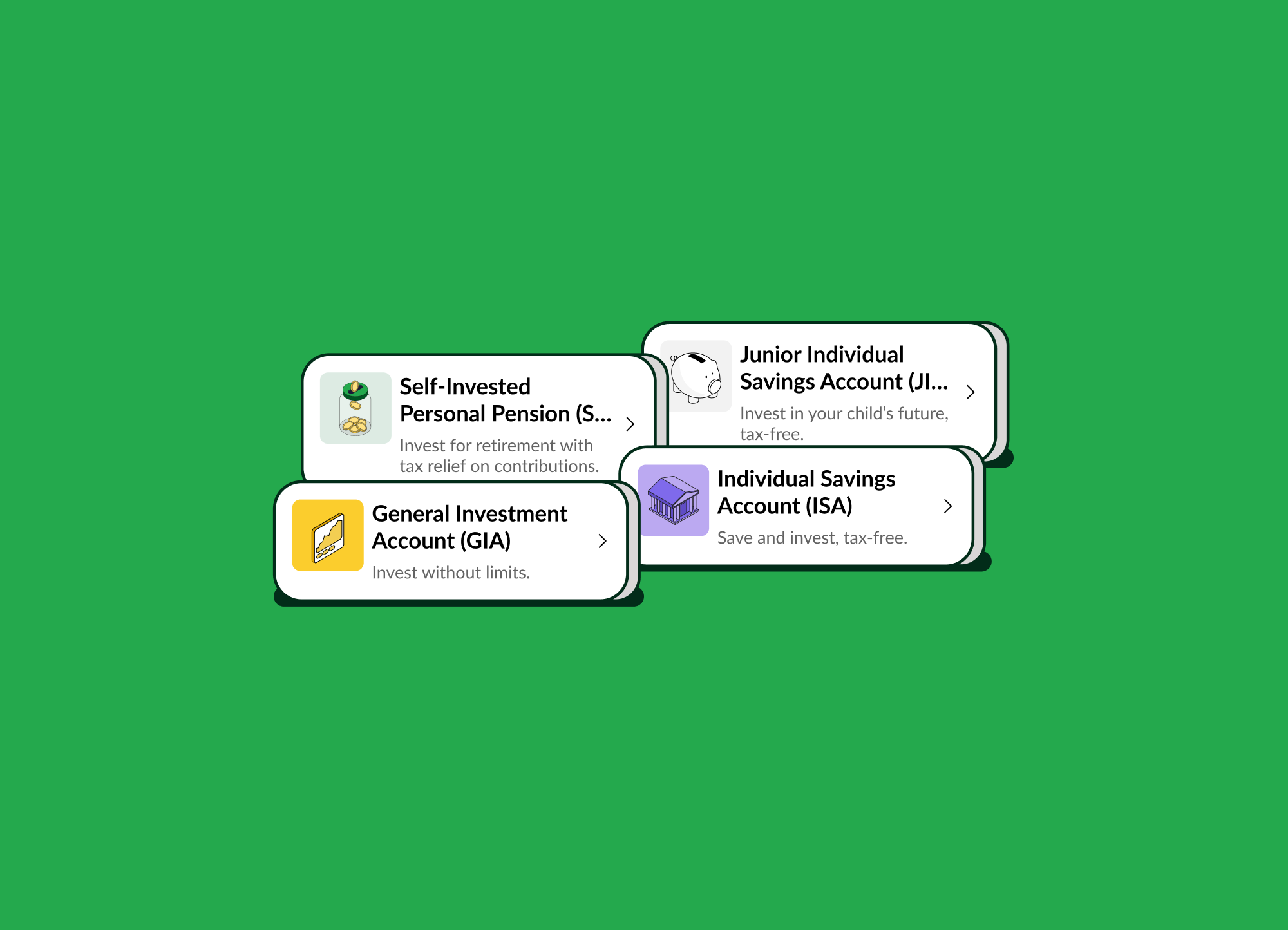
If you have a Self-Invested Personal Pension (SIPP), the answer isn’t a fixed figure. That’s because a SIPP doesn’t promise a set income. Instead, the amount you receive depends on how much you’ve built up, how it’s invested, and how you decide to take it.
That flexibility is one of the strengths of a SIPP. But it does mean the outcome isn’t automatic - it needs a little planning.
It starts with your pension pot
The most important number is the value of your pension when you come to access it. This is shaped by how much you’ve contributed over the years, how long the money has been invested, how your investments have performed and the charges applied along the way.
Put simply, a £150,000 pension will produce a very different income from a £500,000 pension. The size of your pot sets the framework for everything else.
Turning your pension into income
From age 55 (rising to 57 in 2028), you can usually begin accessing your SIPP. While it’s possible to take up to 25% of your pension as a tax-free lump sum, it’s worth considering whether this is the best approach for your long-term financial wellbeing. Withdrawing a large lump sum upfront may reduce the amount left invested to provide future income, so it’s important to weigh the pros and cons carefully before deciding. For example, if you had £200,000, taking £50,000 tax-free would leave £150,000 invested to support your retirement income.
After that, many people choose drawdown. This means your pension remains invested while you withdraw an income as needed. A commonly referenced guideline is withdrawing around 4% per year as a starting point for sustainability, although this isn’t guaranteed and will depend on your circumstances.
So, if you had £300,000 invested and withdrew 4%, that would provide £12,000 a year before tax. With £500,000, the same approach might provide £20,000 a year.
The important thing to remember is that this income isn’t fixed. It can rise or fall depending on investment performance and how much you take out.
Another option is buying an annuity, which converts your pension into a guaranteed income for life. The amount you receive depends on your age, health and interest rates at the time. Annuities offer certainty, while drawdown offers flexibility. Some retirees use a combination of both to balance security and control.
What about tax?
While 25% of your pension is usually tax-free, the rest is taxed as income when withdrawn. That means what you take from your SIPP is added to any other income you have in that tax year. Managing withdrawals carefully can help reduce unnecessary tax and make your pension last longer.
How long will it last?
This is often the real concern. No one wants to run out of money later in life.
How long your pension lasts depends on how much you withdraw, how your investments perform, inflation and, of course, how long you live. Withdraw too much too quickly and your pot may shrink faster than planned. Withdraw sustainably and review regularly, and it may support you for decades - potentially even continuing to grow in the early years of retirement.
Retirement income planning is less about chasing the highest possible figure and more about finding a balance between enjoying today and protecting tomorrow. As your pension pot grows, or as you approach retirement, seeking professional advice can be a wise step, helping you make informed decisions to secure your future and maximise your income.
The bigger picture
Your SIPP is unlikely to be your only source of retirement income. The State Pension, workplace pensions, ISAs or other investments may all play a role. When combined thoughtfully, these can provide a stable and tax-efficient income stream.
So how much will you get from your pension? The honest answer is that it depends on the size of your pot and the decisions you make around it. The encouraging part is that with a SIPP, you have control. With the right planning and regular reviews, you can shape an income that supports the lifestyle you want - not just at the start of retirement, but throughout it.
Your pension isn’t just a number on a statement. It’s your future income. And understanding how it works is the first step towards making it work for you.

.jpeg)