What Is a SIPP? A Simple Guide to Self‑Invested Personal Pensions

Saving for retirement can sometimes feel complicated, but it doesn’t have to be.
A Self Invested Personal Pension, commonly known as a SIPP, is simply another way to help you build a pot of money for later life. It offers flexibility, choice and valuable tax benefits that can make a real difference to your long-term future.
Whether you’re taking your first steps towards retirement planning or looking to take more control of your investments, here’s a clear, jargon free guide to how SIPPs work.
A SIPP in a nutshell
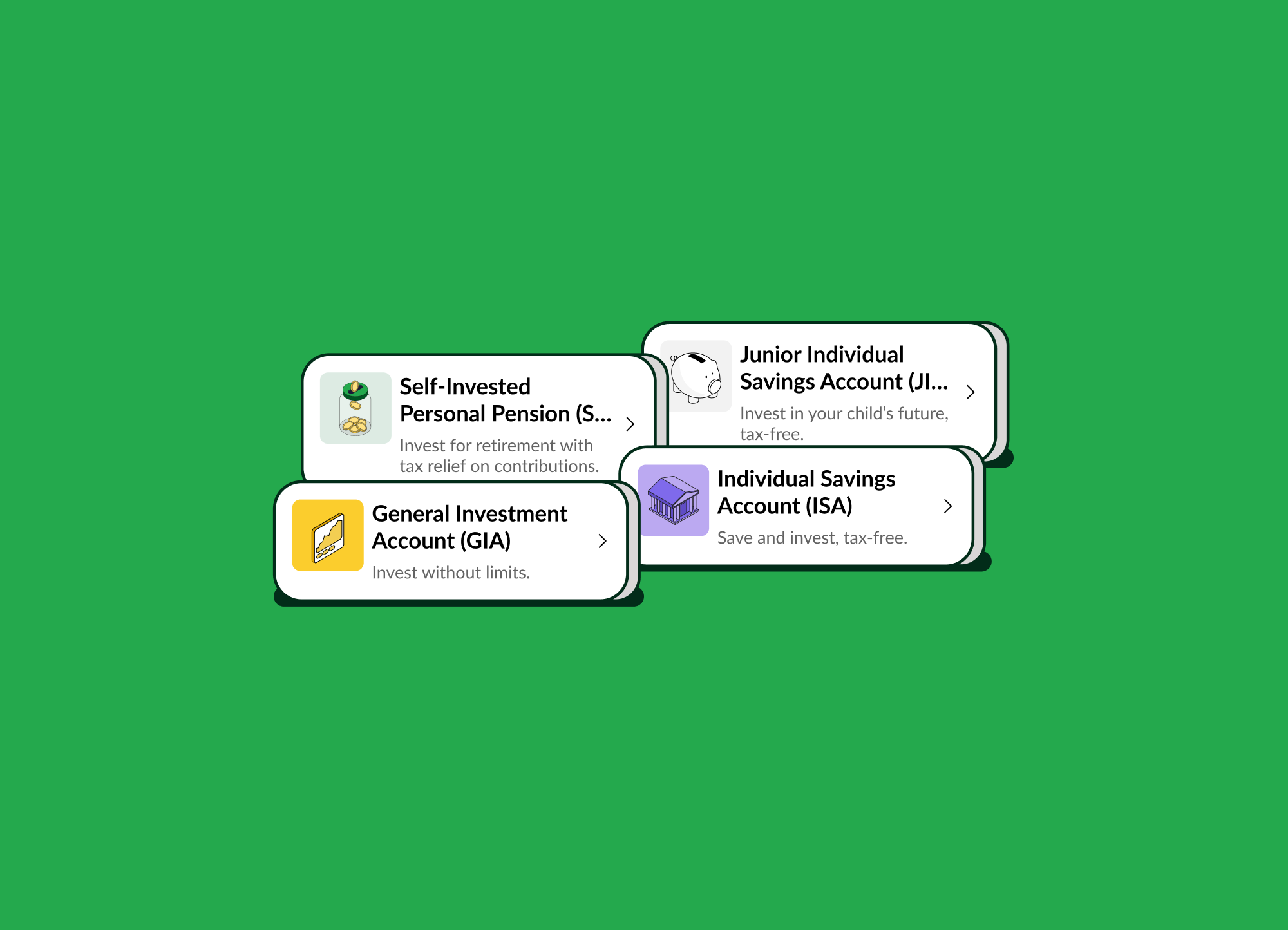
A SIPP is a type of personal pension that lets you choose and manage your own investments. Instead of your pension provider selecting where your money goes, you have the freedom to decide.
Just like other pensions, you contribute money, receive tax relief and your investments have the opportunity to grow over time. The difference is the control and flexibility you get over how your pension is invested.
How a SIPP works
You contribute money regularly or whenever it suits you
You can pay into a SIPP monthly, as a one off or a mix of the two. Every contribution you make receives tax relief from the government (assuming you are eligible).
For example, if you contribute £80, the government adds £20, turning it into £100 in your pension.
Your money is invested for long term growth
Your SIPP lets you choose from a broad range of investments, such as:
• Funds
• Shares
• Bonds
• Exchange traded funds (ETFs)
With a Quilter Iinvest SIPP account you can invest in our MyGoal range. The Quilter MyGoal Funds are expert curated, multi asset portfolios designed to match your personal risk appetite - from Conservative to Adventurous.
When investing your capital is at risk. The value of your investments can go down as well as up, and you may not get back what you originally invested.
You can usually access your pension from age 55 (rising to 57 in 2028)
When the time comes to retire or simply cut back on work, you can start taking money from your SIPP. Typically, you can take up to 25% tax free, with the rest taxed as income.
Why people choose a SIPP
More control
You decide where your pension is invested and can adjust it as your needs or goals change.
A wide choice of investments
Some pensions offer a limited selection. SIPPs usually provide a much broader range.
Flexible contributions
There’s no need to stick to a fixed amount. Pay in what you want, when you want.
Potentially lower costs
Depending on your provider and the investments you choose, a SIPP can sometimes be more cost effective.
Is a SIPP right for you?
A SIPP can be helpful if you:
• Want to take an active role in managing your pension
• Prefer choosing where your money is invested
• Already have some experience with investing
• Want access to a wide range of investment options
If you're not confident choosing investments yourself, a traditional personal pension where the provider invests on your behalf may be more suitable.
SIPPs and tax relief: how it works
Tax relief is one of the biggest advantages of a pension. For most people:
• For every £80 you contribute, the government adds £20
• Higher rate and additional rate taxpayers may claim even more through their tax return
There’s an annual limit to how much you can contribute each tax year, known as the Annual Allowance. Tax rules can change and how they affect you depends on your individual circumstances.
The risks you need to be aware of
Like all pensions and investments:
• The value of your SIPP can go down as well as up
• You could get back less than you invest
• Investment choice comes with responsibility
• Tax rules may change in the future
A SIPP gives you flexibility, but it also requires you to stay engaged with your investments.
Taking money from your SIPP
When you decide to access your pension, you will typically have three options:
• Take a lump sum
• Take a regular income (drawdown)
• Buy an annuity that provides a guaranteed income for life
You can also combine these approaches. How you withdraw money will affect the tax you pay.
The takeaway
A SIPP is a powerful way to save for retirement if you want flexibility and control. It gives you the freedom to choose where your money is invested, access tax relief and build a pension that’s shaped around your goals.
But with that control comes responsibility, so it’s important to understand the risks and stay engaged with your long-term plan.
When investing your capital is at risk. The value of your investments can go down as well as up, and you may not get back what you originally invested.

.jpeg)